Learn more

Make your way down the Work Wild interactive graphic to find important stats and insights regarding the impact of forests and forestry in Alberta.
Use the information you find to put together strong arguments for your Activity 1 discussion assignment.
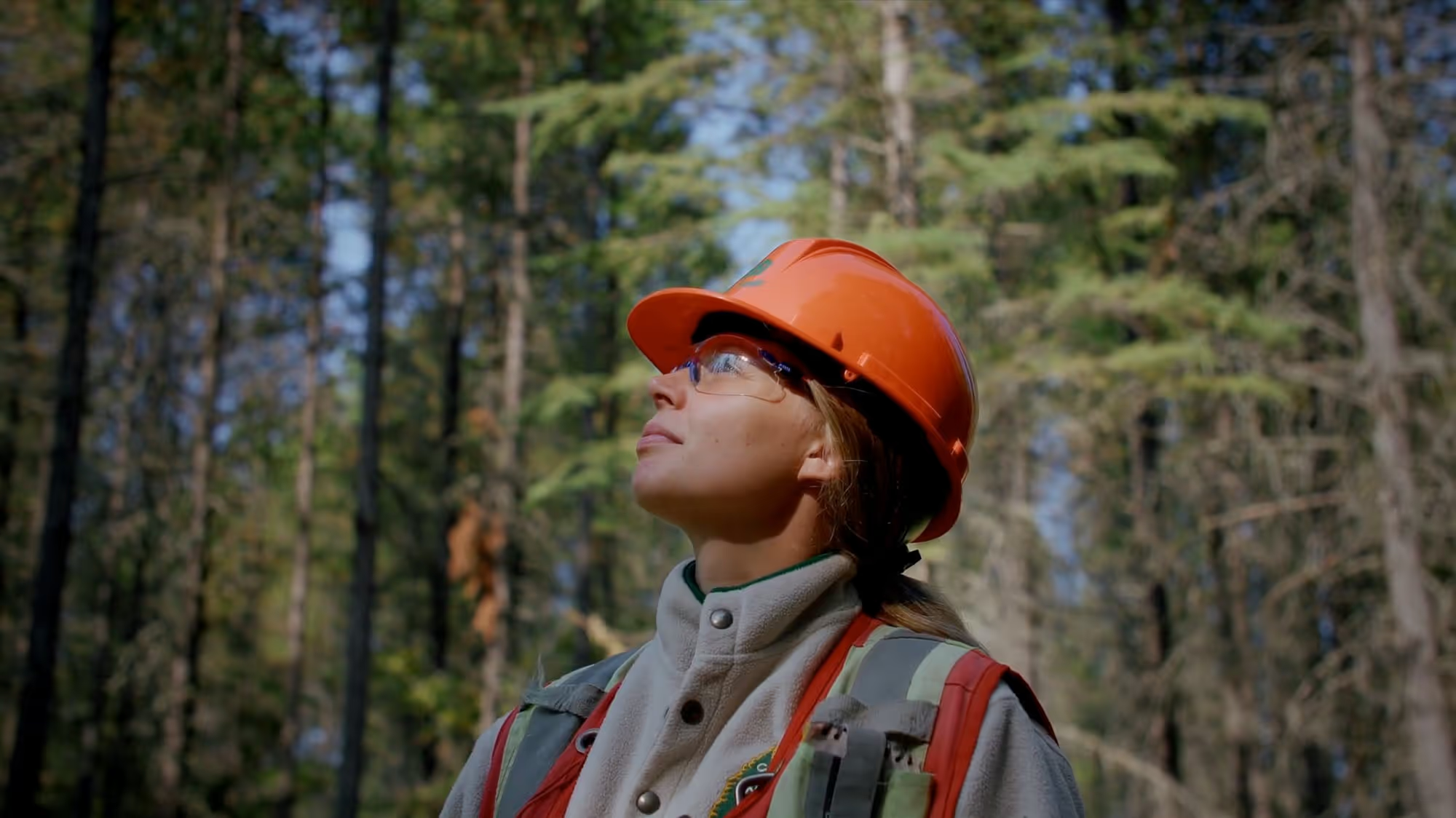
Where Trees Grow Alberta Jobs Grow
16,600 Direct Jobs
14,000 Indirect Jobs
Forests need people who love nature and science, who build with their hands, communicate big ideas, and explore with curiosity.
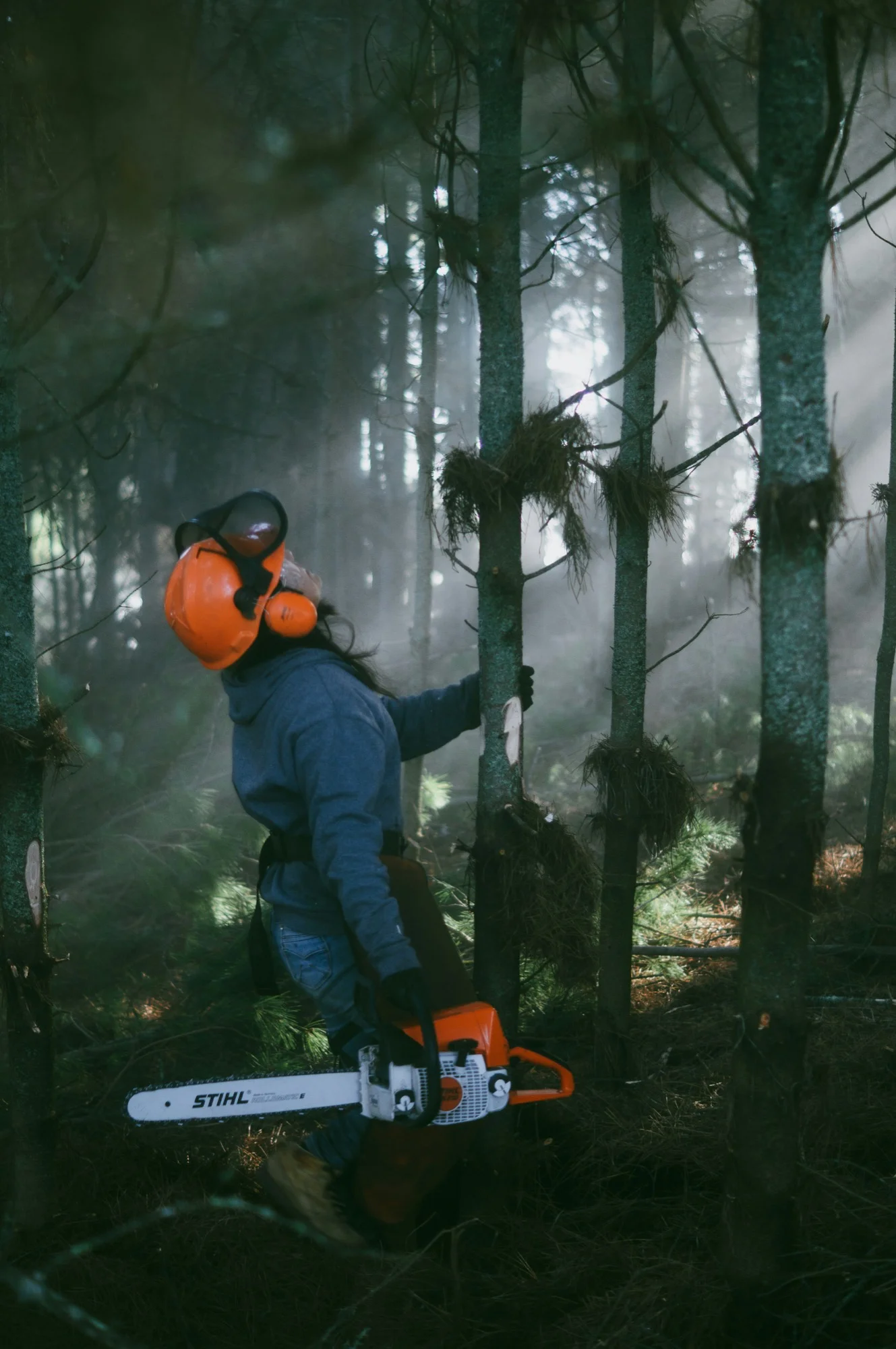
Forest Industry careers span everything from tree planting to heavy machinery, environmental protection to leadership roles.
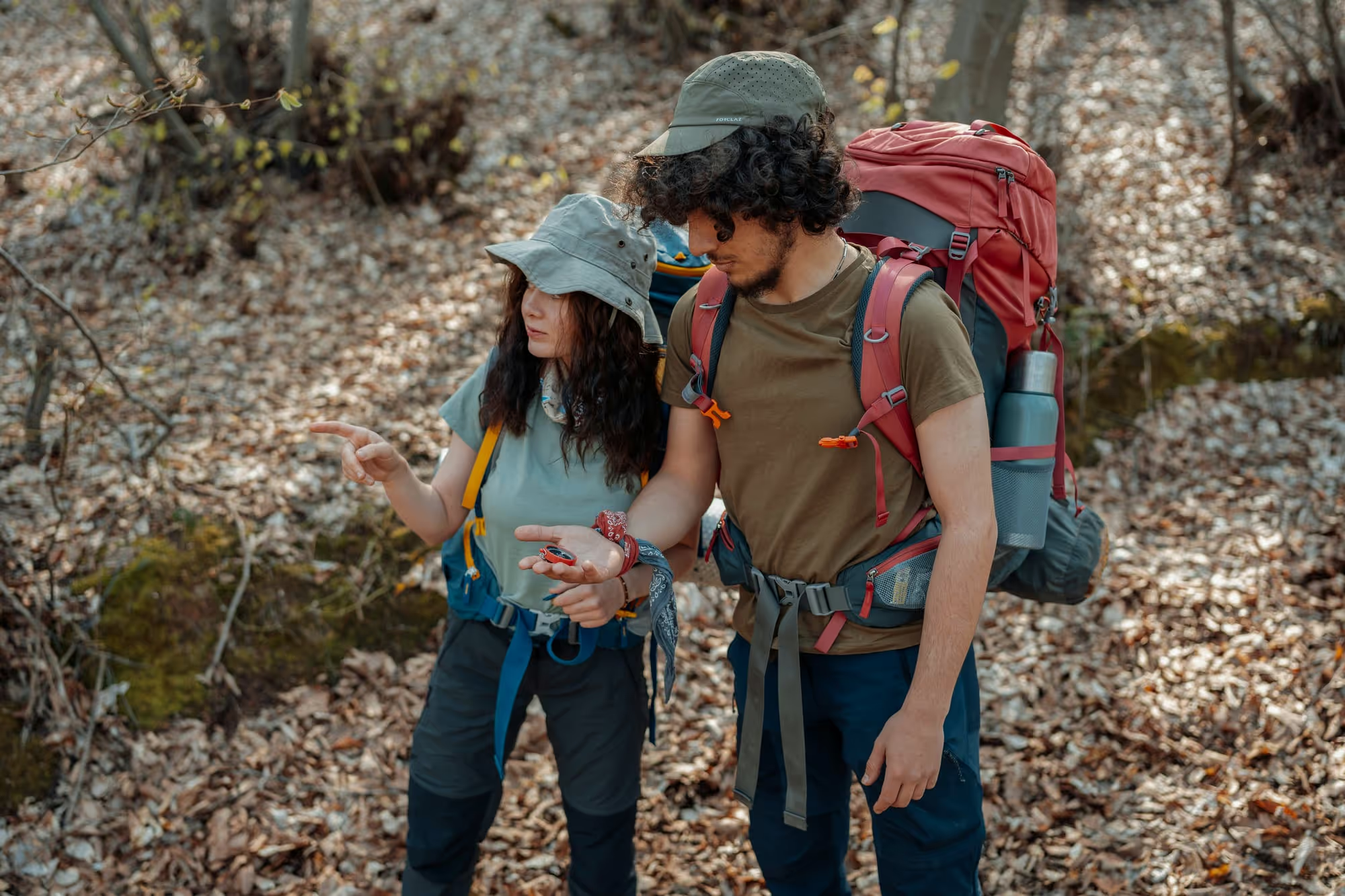
A Career with Many Paths



The
Explorer

Operations Forester (PRF)/Forest Technician (RPFT) | Planning Forester (RPF)/Forest Technologist (RPFT) | Registered Professional Forester (RFP)/Registered Professional Forest Technologist (RPFT) | Silviculture Contractor | Silviculture Forester (RPF)/Forest Technologist (RPFT) | Tree Planter | Wildland Firefighter | Pilot


The
Communicator

Indigenous Relations Liaison | Accountant | Administration | Business Development Manager | Human Resources | Lawyer | Public Relations | Sales & Marketing | Mill Manager
The
investigator

Environmental Coordinator/Environmental Management Systems Coordinator | GIS Specialist/Analyst | IT & Computer Systems | Biologist | Chemist | Ecologist | Hydrologist | Soil Scientist

The
builder
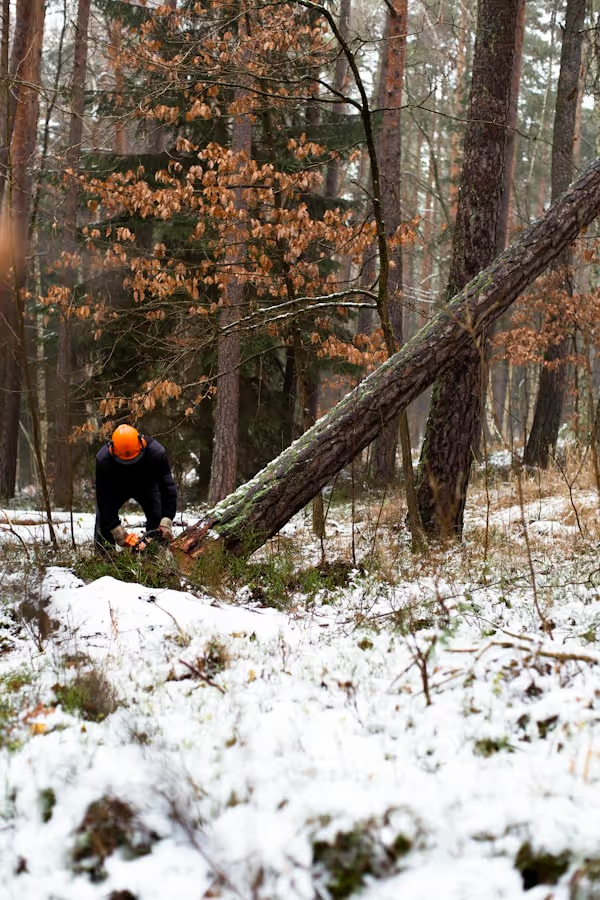
Chemical Engineer | Electrical Engineer | Mechanical Engineer | Power Engineer | Timber Scaler | Tree Faller | Grader | Production Technician/Labourer | Crane Operator | Equipment Operator | Road Construction | Truck Driver | Woodlands Manager | Boilermaker/Welder | Electrician | Heavy Duty Mechanic | Millwright/Pipefitter | Plumber
Beyond Lumber & Paper
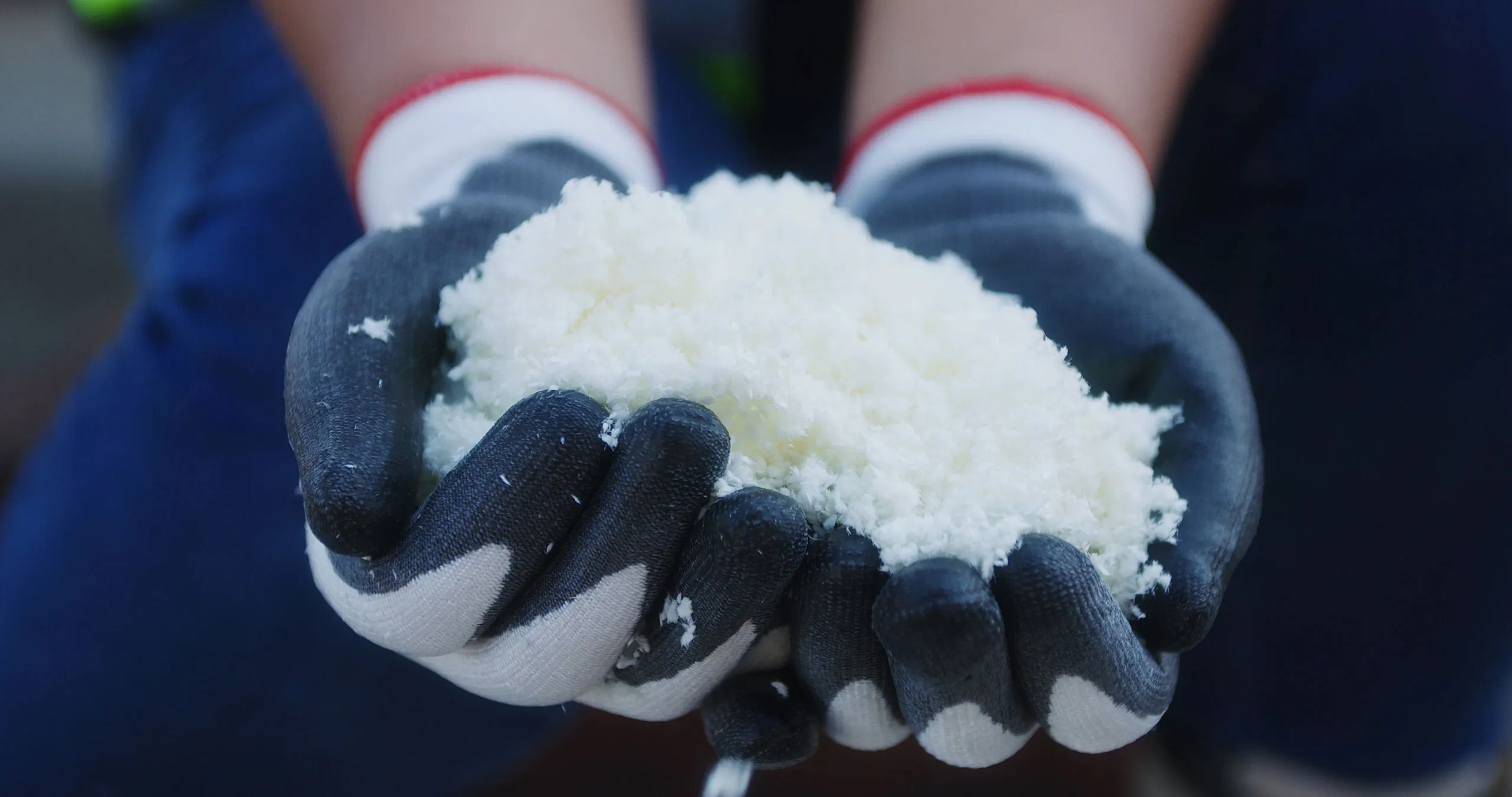
How many of these products did you know were made from trees?
Click over the trees to find out!

Toothpaste
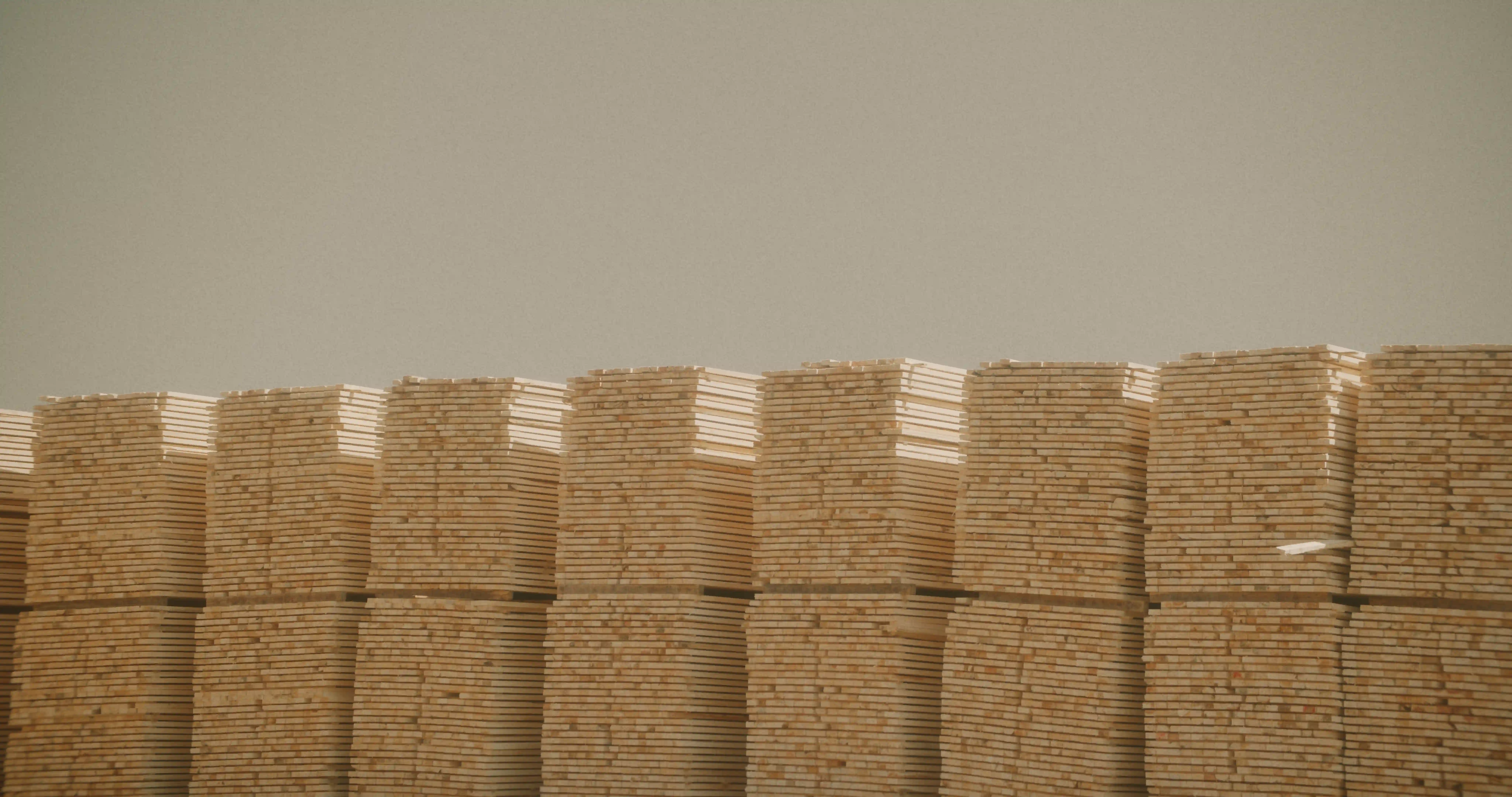
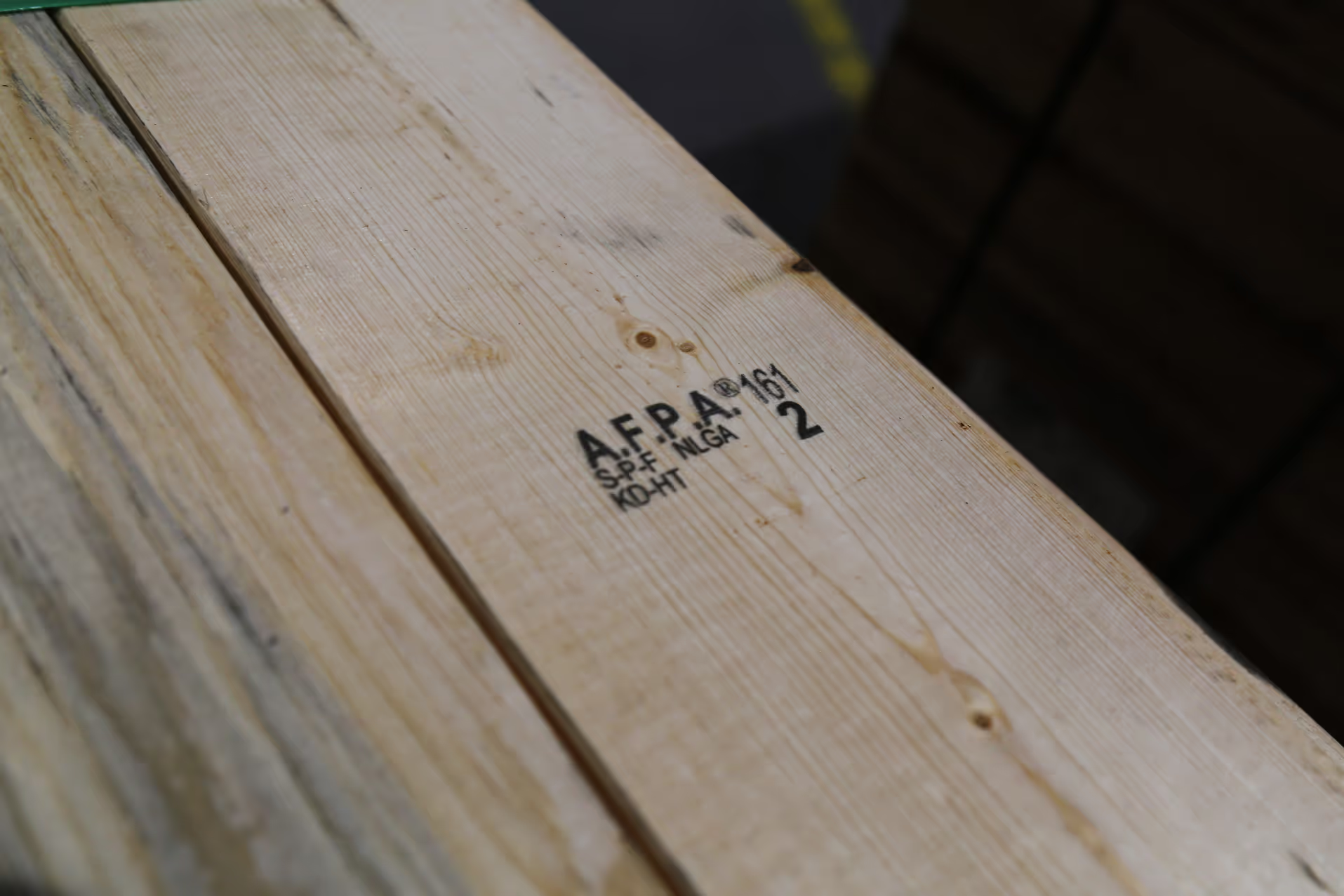
Lumber

Toilet Paper

Makeup

Plastics

Paper

Rayon Material

Adhesives

Condiments
Big Trees,
Big Business
In Alberta, forests aren’t just beautiful, they’re big business.
We Manage Our Forests Through
Detailed Plans
The following factors and perspectives must be considered.
Wildlife habitat
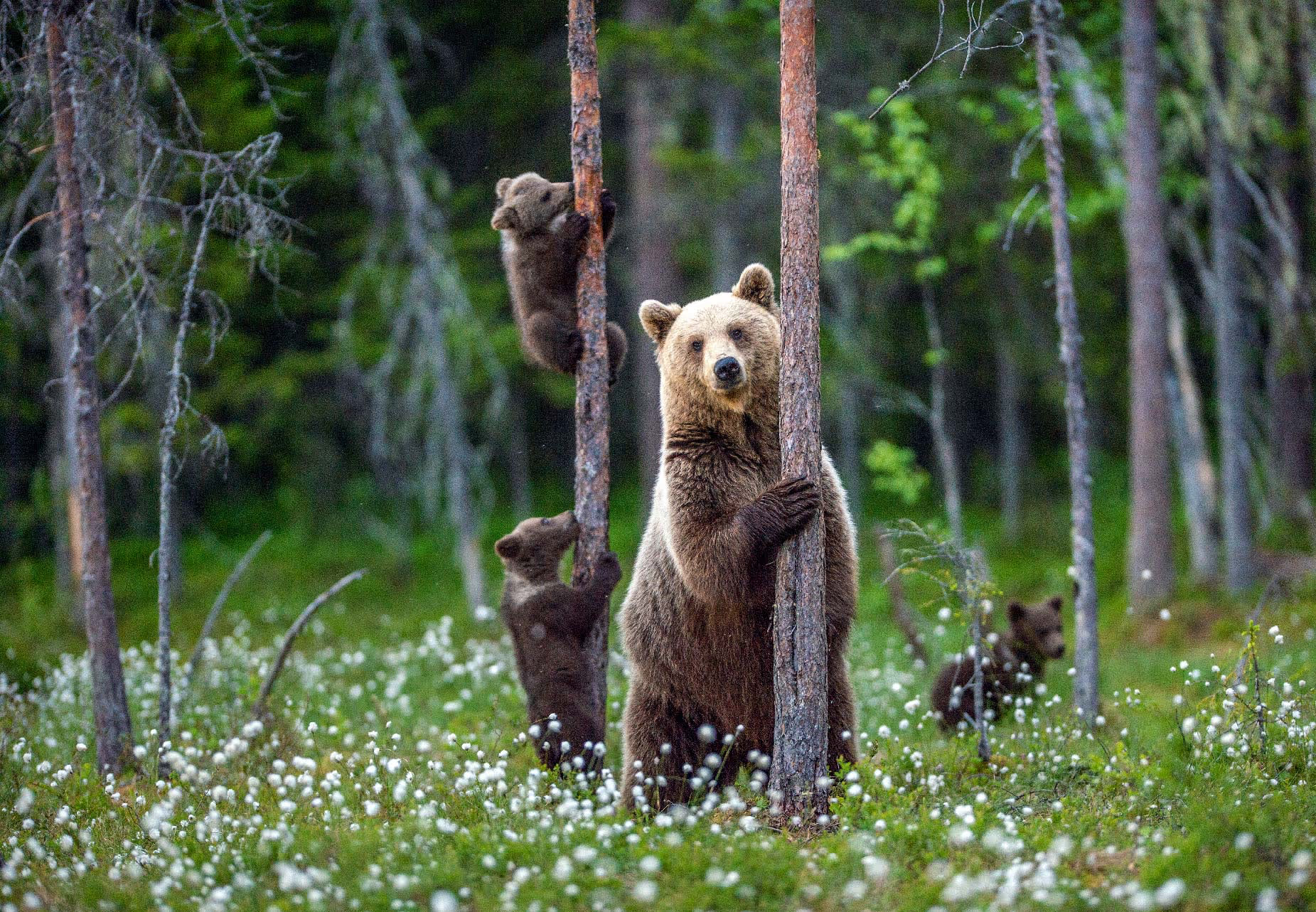
Forests are home to many organisms, from mammals to birds, fish to fungi, and insects to amphibians. Special care is taken to protect sensitive ecosystems.
Watershed Protection and Maintenance
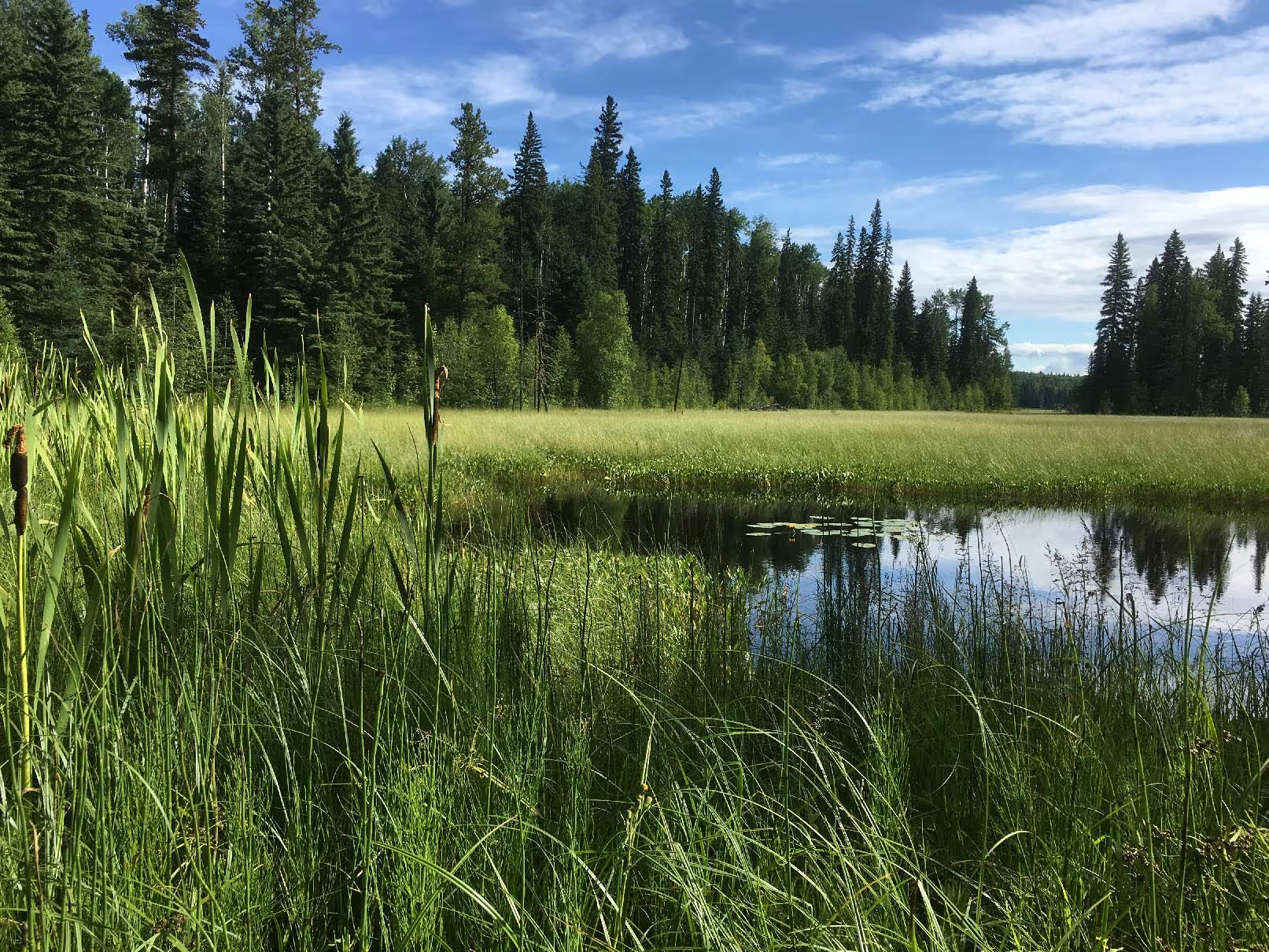
Trees and water are deeply interconnected because trees store and filter water. Regulations prevent the harvesting of trees in close proximity to rivers, lakes, and other bodies of water to protect water quality and quantity.
Air and Soil Quality
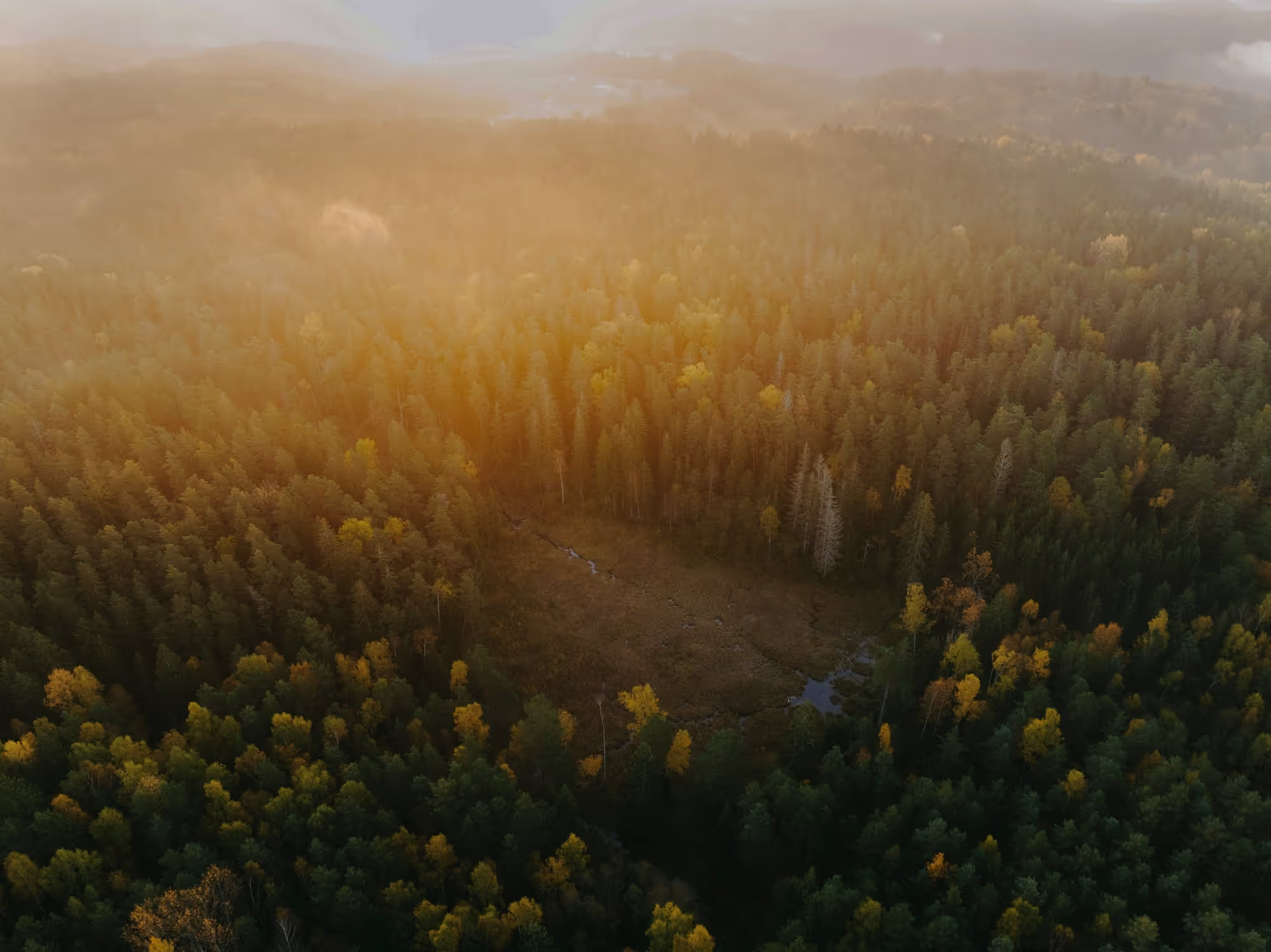
Trees produce oxygen and store CO2. They also enhance soil quality. When fallen needles and leaves decompose, they enrich the soil.
Slowing Climate Change
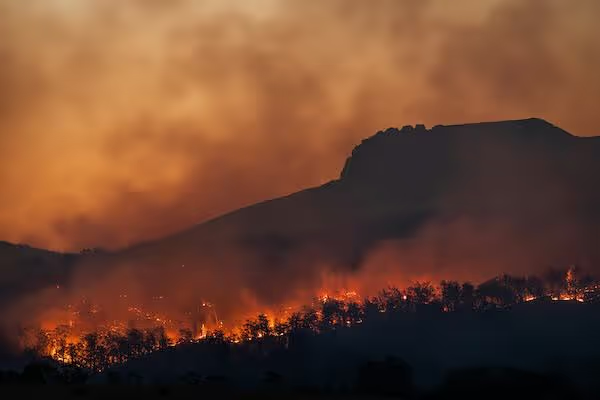
Forests are referred to as “carbon sinks” because they absorb carbon dioxide from the atmosphere. You may be surprised to know that even after it is harvested, wood continues to sequester CO2.
A Renewable Resource
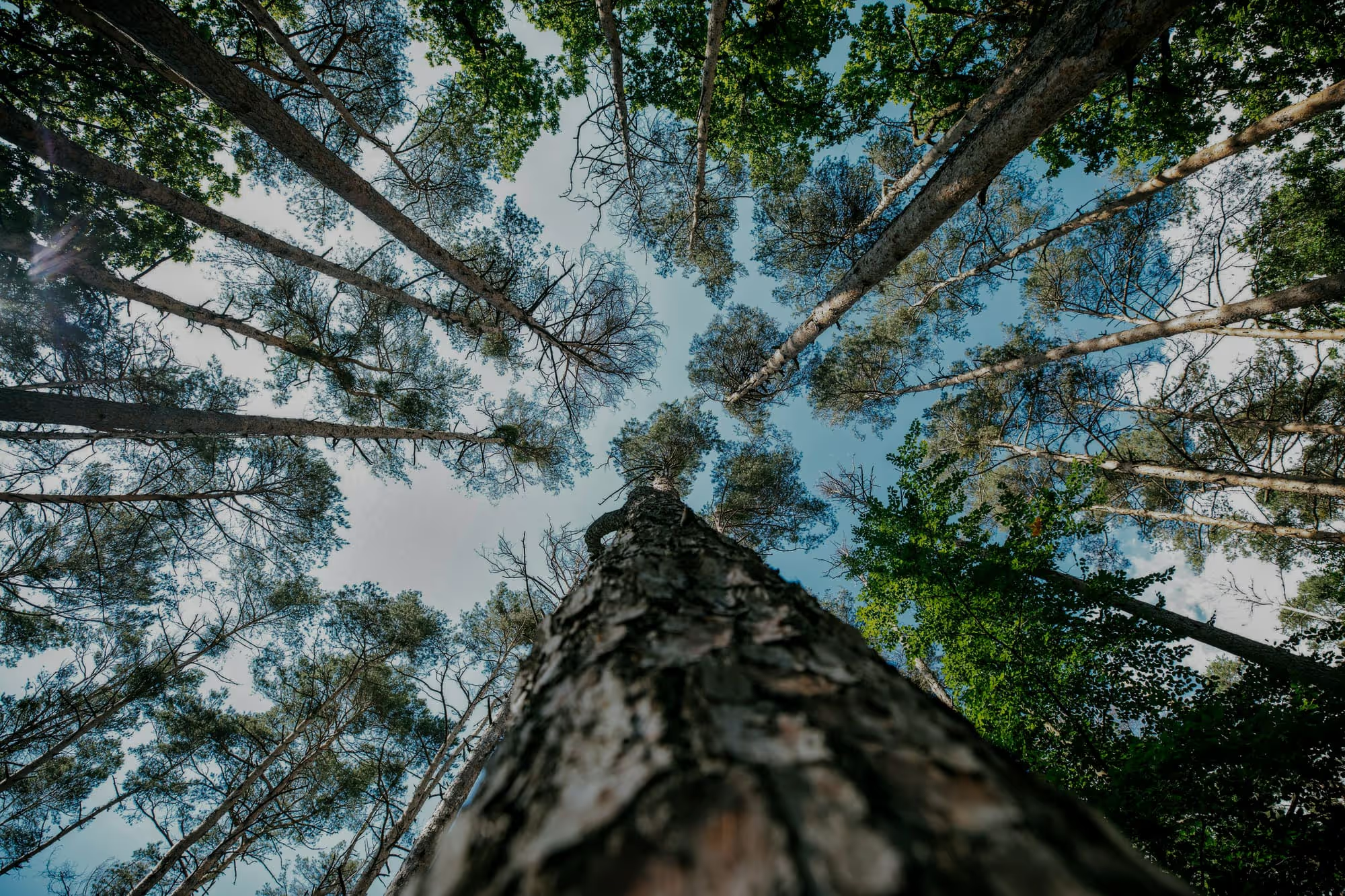
While we harvest trees for a variety of uses, forests are a renewable resource that grow back. Sustainable forestry is about ensuring we don’t harvest trees any quicker than they can grow back. Less than 1% of our forests can be harvested in a single year.
Recreation

Many people enjoy escaping to the great outdoors. Forests are widely used for hiking, camping, off-road recreation, and bird watching.
Traditional / Cultural Uses
Indigenous peoples have a historic cultural and spiritual tie to their traditional lands. Many exercise their rights to hunt, fish, trap, and use the forest as a source of traditional medicines.
Tourists Love Trees
Tourism is among Alberta’s four largest industries. Our forests and national parks are one of our major attractions.